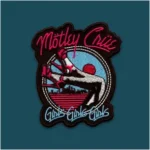
Quick answer: Embroidery patches are fabric emblems created by stitching a design directly onto a base material — usually twill or felt — using colored thread. They’re the most widely used type of custom patch because the raised, textured stitching gives a durable, classic look that holds up well on uniforms, jackets, hats, and bags.
About this guide: Written by the team at The Custom Patch Maker, based on our day-to-day work digitizing designs and producing embroidery patches for businesses, teams, and individuals across the USA. Last updated: September 2026.
If you’ve searched “embroidery patches” hoping for a straightforward explanation of what they are, how they’re made, and which options actually matter when you order, this guide covers all of it thread types, stitch styles, backings, pricing factors, and the details that separate a patch that lasts for years from one that frays after a few washes.
What Are Embroidery Patches?
An embroidery patch is a piece of artwork reproduced entirely in stitched thread on a fabric base, then cut to shape and finished with an edge and a backing so it can be attached to clothing or gear. Unlike printed or molded patches, every visible line, letter, and color block on an embroidery patch is physically made of thread that’s what gives it the raised, textured surface people associate with a “classic” patch look.
The process starts with digitizing: converting your logo or artwork into a stitch file that tells an embroidery machine exactly where to place each stitch, in what color, and at what density. From there, the machine stitches the design onto a base fabric most commonly twill (durable, holds shape well) or felt (softer, common in fashion and vintage-style patches) before the patch is cut out and finished.
How Embroidery Patches Are Made: Step by Step
- Digitizing. Your logo is converted into a machine-readable stitch file. This is the single most important step a poorly digitized file leads to distorted shapes, thread breaks, or letters that blur together.
- Proofing. You review a digital mockup of colors, sizing, and stitch layout before production starts.
- Base fabric selection. Twill, felt, or canvas is chosen depending on how the finished patch will be used.
- Stitching. The embroidery machine runs the digitized file, building up the design stitch by stitch, layer by layer.
- Edge finishing. The patch is cut to shape and the border is sealed usually with a merrowed overlock stitch, or a laser-cut edge for intricate shapes.
- Backing application. Iron-on adhesive, sew-on fabric, hook and loop (Velcro), or adhesive backing is added.
- Quality check. Finished patches are inspected for stitch density, color match, and backing adhesion.
A note from experience: the digitizing step is where most quality problems start or get prevented. Very fine text, thin outlines, and tight gradients don’t always translate cleanly into thread a digitizer who understands embroidery will simplify these details during proofing rather than let them turn into blurred stitching after production.
Types of Embroidery: Flat vs. 3D Puff
Not all embroidery patches look the same. The two main construction styles are:
| Style | How It’s Made | Best For | Trade-Offs |
|---|---|---|---|
| Flat embroidery | Thread stitched directly onto the fabric base, no foam layer | Detailed logos, small text, uniforms, everyday washable items | Less visual impact than puff for bold, simple shapes |
| 3D puff embroidery | A foam layer is placed under the stitching to raise the design | Bold logos, varsity/streetwear branding, caps, mascots | Costs more, doesn’t hold fine detail well, less suited to frequent washing |
How to choose: if your design has small text, thin lines, or a lot of detail, flat embroidery will reproduce it more accurately. If your design is bold, simple, and you want it to visually pop off the fabric, 3D puff makes a stronger visual statement but it works best on sturdy, stable fabrics like twill or canvas, since thin or stretchy materials can’t support the foam.
Thread Types Used in Embroidery Patches
The thread itself affects both the look and durability of the finished patch:
- Polyester thread the most common choice for patches; highly durable, colorfast, and resistant to fading and bleaching, which makes it a solid pick for outdoor, uniform, and industrial use.
- Rayon thread known for a glossy sheen and smooth finish; often used on fashion and logo patches where visual shine matters more than heavy duty durability.
- Metallic thread used sparingly for accents on premium or limited-edition patches; adds shine but is less flexible than standard thread.
- Cotton thread less common today, mainly used for a vintage or retro-style look.
For most business and uniform patches, polyester is the practical default. Rayon is worth considering when the design calls for a more premium, fashion-forward finish.
Backing and Attachment Options
Once an embroidery patch is finished, it needs a way to attach to fabric:
- Iron-on: Heat-activated adhesive on the back, applied with a household iron or heat press fast, but less permanent on stretchy or heavily textured fabric.
- Sew-on: No adhesive; the patch is stitched directly onto the garment. The most secure option for uniforms and workwear that see regular washing.
- Hook-and-loop (Velcro): Lets you swap patches in and out common on tactical gear, backpacks, and uniforms with interchangeable badges.
- Adhesive backing: A peel-and-stick option best suited to temporary or one-time use.
Many patch makers, including us, let you combine backings for example, sew-on with an iron-on layer as a backup — so it’s worth confirming what’s included with your order.
Embroidery Patches vs. Other Patch Types
“Embroidery patch” is often used loosely to mean “custom patch,” but embroidery is really one construction method among several. Here’s how it compares:
- Embroidery vs. woven: Woven patches use finer thread woven more tightly, giving a flatter finish that handles small text better. Embroidery uses thicker thread and produces a more raised, textured look the more traditional “patch” appearance.
- Embroidery vs. printed/sublimated: Printed patches reproduce full-color gradients and photo-realistic detail that embroidery can’t stitch accurately. Embroidery, in exchange, offers texture and durability that printed patches don’t have.
- Embroidery vs. PVC: PVC patches are molded plastic water-resistant and rigid a better fit for rugged outdoor or tactical gear. Embroidery patches are softer, more traditional-looking, and generally more budget-friendly.
- Embroidery vs. chenille: Chenille uses looped yarn for a soft, fuzzy, bold texture (think varsity jackets). Embroidery is flatter and better suited to detailed logos and text.
If your design has fine detail, moderate color count, and you want a classic textured look at a reasonable price, embroidery is usually the right call.
Who Uses Embroidery Patches (And Why)
- Businesses put embroidered logos on staff uniforms, aprons, and caps for consistent, professional branding.
- Sports teams and schools use them on jackets and uniforms to mark achievements and build team identity.
- Military, law enforcement, and first responders rely on embroidery for rank, unit identification, and morale patches.
- Motorcycle and outdoor clubs use embroidered patches often collected over time to signal membership and milestones.
- Fashion brands and individuals add embroidered patches to jackets, hats, and bags for a distinctive, textured look that printed graphics can’t replicate.
How Much Do Embroidery Patches Cost?
Pricing depends on several factors working together rather than any single number:
- Size larger patches use more thread and take longer to stitch
- Quantity per-unit cost drops meaningfully as order size increases
- Number of colors and stitch density more colors and denser coverage add production time
- Construction style 3D puff typically costs more than flat embroidery due to the foam and extra handling involved
- Backing and edge finish specialty backings or laser-cut edges add a modest premium
- Turnaround time rush production usually carries an additional fee
Because these variables interact, the most reliable way to get an accurate number is to request a quote with your actual size, quantity, and design.
What Artwork Do You Need for an Embroidery Patch?
- Vector files (AI, EPS, SVG) digitize most cleanly and scale without losing sharp edges.
- High-resolution images work if a vector isn’t available, but very low-resolution files can lose detail once digitized.
- Limited color palettes are easier and often cheaper to stitch than complex gradients embroidery reproduces solid colors more accurately than blended tones.
- Text size matters very small lettering may need to be enlarged or simplified so it stays legible once stitched, since tightly packed letters can blur together in thread.
A good patch maker will flag any of these issues during the digital proofing stage before a single stitch is sewn so you’re never guessing what the finished patch will look like.
How to Choose the Right Embroidery Patch Maker
- Do they provide a free digitizing and proof before production? This is your chance to catch color, sizing, or stitch-density issues.
- What thread and machines do they use? Ask about thread type (polyester vs. rayon) and whether they run full-coverage stitching, since stitch density affects how well a patch holds its shape after washing.
- What’s their minimum order quantity? Some makers require bulk minimums; others accept small or single-piece orders.
- Do they offer both flat and 3D puff embroidery? A maker who handles both can guide you toward the right style for your design.
- What’s their turnaround time, and do they ship nationwide? Production plus shipping time matters if you’re working toward an event or launch date.
- Can you see real finished samples? Photos of actual stitched patches not renders tell you more about stitch quality and color accuracy than a product description ever will.
At The Custom Patch Maker, we run every order through a free digitizing and proofing step before production, using full-coverage stitching so patches hold their shape and color well through regular wear and washing for orders of any size, shipped nationwide across the USA.
Frequently Asked Questions About Embroidery Patches
What is the difference between an embroidery patch and a custom patch? “Custom patch” is the broad category any patch made to a unique design. “Embroidery patch” refers to one specific construction method within that category, where the design is stitched in thread rather than woven, printed, or molded.
What’s the difference between embroidery and woven patches? Embroidery uses thicker thread and produces a raised, textured surface. Woven patches use finer thread woven tightly together, giving a flatter finish that’s better for small text and intricate line art.
How long do embroidery patches last? A well-made embroidered patch with proper backing can hold up through years of regular wear and washing, though actual lifespan depends on stitch density, backing choice, and how the item is cared for.
Can embroidery patches be washed? Yes, in most cases. Sew-on and properly heat-applied iron on patches generally hold up well in the wash. 3D puff patches are more sensitive frequent washing can flatten or damage the foam layer over time, so they’re better suited to items that aren’t washed often, like caps and jackets.
What’s the difference between flat and 3D puff embroidery? Flat embroidery stitches directly onto the fabric with no added texture, ideal for detailed designs and small text. 3D puff adds a foam layer underneath to raise the design, creating bold dimensional branding but it costs more and doesn’t hold fine detail as well.
Is there a minimum order quantity for embroidery patches? It depends on the maker. Some require bulk minimums of 50–100+ pieces, while others accept low or single-piece orders useful for testing a design before committing to a larger run.
What size should my embroidery patch be? Small patches (1–2 inches) suit hats, bags, and lapels. Mid-size patches (2–4 inches) work well as chest logos on shirts and jackets. Larger patches (5 inches and up) are typically used for back designs on jackets and vests.
Can I put small text on an embroidery patch? Yes, but there are limits. Very fine or tightly spaced lettering can blur together once stitched. A good digitizer will often suggest a minimum text height and simplify overly detailed fonts to keep everything legible.
The Bottom Line
An embroidery patch is defined by its construction a design built entirely from stitched thread on a fabric base and that construction is what gives it the classic, durable, textured look people associate with patches in the first place. The details that matter most when ordering are digitizing quality, thread type, stitch style (flat vs. 3D puff), and backing, since those choices determine how the finished patch looks and how long it lasts.
Have a design ready? Send us your artwork and we’ll digitize it, recommend the right thread and stitch style, and send you a free proof to review before production starts. The Custom Patch Maker ships nationwide across the USA.